
Making clothes incorporates several tiny details.
The kind of fabric used matters.
The type of machine used matters.
How skilled the worker is matters.
How the fabric is cut matters.
How the clothes are finished matters.
One thing that people often forget is the sewing thread.
It can bring a big difference in the clothes production cost.
Good sewing thread helps the machine work smoothly.
Bad sewing thread can stop the machine over and over again.
Good sewing thread makes the stitches look clean.
Bad sewing thread can make defects, repairs and rejections.
So the quality of sewing thread is not about how the stitches look.
It is also about the cost, speed, quality and trust of the customer.
For people who make clothes and for factories choosing the sewing thread can save time and money.
Why the Quality of Sewing Thread Is Important?
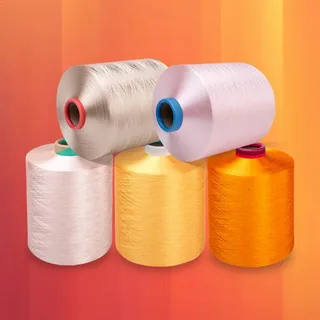
Sewing thread (meta-aramid sewing thread) is what holds the clothes together.
It joins the pieces of fabric. Gives shape to the clothes.
A shirt, pants, t-shirt, dress, uniform, jacket or workout clothes all need stitches.
If the sewing thread is weak the seam can come apart.
If the sewing thread breaks while stitching it slows down production.
If the stitches look bad the clothes might be rejected.
So the quality of sewing thread affects both the production floor and the final product.
Times factories buy cheap sewing thread to save money.
At first it might seem like they are saving money.
Later bad sewing thread can increase hidden costs.
The machine stops, rework, waste, rejection, late delivery and customer complaints can cost a lot more.
This is why good recycled sewing thread is an investment.
When Sewing Thread Breaks It Increases Production Time
Sewing thread breaking is one of the problems in clothes factories.
When the sewing thread breaks the worker has to stop.
The machine cannot continue.
The worker has to remove the broken thread rethread the machine and start again.
This takes time.
If this happens times in one shift production becomes slow.
A few seconds lost again and again can become a big loss in bulk production.
Bad quality sewing thread breaks often.
It might be weak.
It might have thickness.
It might create friction in the needle.
Good quality sewing thread works smoothly.
It can handle machine speed better.
It reduces stoppage.
This helps workers make clothes in less time.
Bad Sewing Thread Creates More Rework
Rework means fixing the clothes after a stitching mistake.
This is very costly for factories.
If the stitches are uneven skipped, loose or broken the piece needs repair.
Sometimes the worker has to open the seam and stitch again.
This takes time.
It also affects how the clothes look.
Sometimes repair marks are visible.
Then the clothes might not pass the quality check.
Bad sewing thread can create such issues.
It can cause skipped stitches, thread fraying, stitch line, puckering and loose seams.
Good sewing thread helps reduce these defects.
When the stitches are clean from the time rework goes down.
This improves efficiency.
Better Sewing Thread Means Less Rejection
Rejection is worse than rework.
In rework the clothes might still be repaired.
In rejection the clothes might not be usable or sellable.
This is a loss.
A rejected garment wastes fabric, sewing thread, labour, electricity, time and packing cost.
Sometimes rejection happens because of seams.
Sometimes because the stitches look bad.
Sometimes because the sewing thread colour does not match properly.
Sometimes because the sewing thread colour bleeds after washing.
Good quality sewing thread reduces the chance of rejection.
It gives strength, better colour and better stitch appearance.
This helps the factory maintain quality.
The Quality of Sewing Thread Affects Machine Performance
Sewing machines work at speed.
The sewing thread passes through guides, tension discs, needle eye and fabric times.
If the sewing thread is rough or uneven it creates friction.
This can heat the needle.
It can also damage the sewing thread.
The machine may need adjustment.
The needle may break.
Workers may face difficulty.
Good sewing thread has a finish.
It moves easily through the machine.
It supports stitching.
It also reduces stress on machine parts.
This helps in production.
When machines work better output improves.
Better Efficiency on the Production Floor
Efficiency means doing work with less waste and less delay.
Good sewing thread helps improve efficiency in ways.
It reduces sewing thread breakage.
It reduces machine stoppage.
It reduces repair work.
It reduces quality complaints.
It also helps workers work with confidence.
When workers trust the sewing thread they can maintain speed.
They do not need to keep stopping and checking.
Supervisors also face production issues.
This makes the full stitching line more stable.
In production this is very important.
A small improvement in each machine can increase output.
The Right Sewing Thread Reduces Waste
Sewing thread waste is also part of production cost.
Bad sewing thread may get wasted due to breakage, knotting, wrong stitch formation or frequent trimming.
When seams are opened for repair more sewing thread is wasted.
If clothes are rejected the sewing thread used in that piece is also wasted.
Good quality sewing thread reduces waste.
It also helps in sewing thread consumption planning.
Factories can estimate sewing thread requirement accurately.
This helps the purchasing team avoid shortage and excess stock.
Good planning saves money.
The Strength of Sewing Thread Improves the Life of Clothes
The quality of sewing thread does not affect factory cost.
It also affects the life of clothes after sale.
If the sewing thread is weak the seam may come apart after a wears.
If the sewing thread cannot handle washing the stitches may fail.
If the sewing thread is not suitable for stretch fabric the stitches may pop.
This creates customer complaints and returns.
Returns are costly for brands.
They include shipping, checking, repairing, repacking and sometimes resale loss.
Strong and suitable sewing thread helps clothes last longer.
This reduces after-sale problems.
It also builds customer trust.
Matching Sewing Thread with Fabric Saves Money
One sewing thread is not right for every type of clothes.
Light fabrics need smooth sewing thread.
Heavy fabrics need sewing thread.
Stretch fabrics need sewing thread.
Denim needs durable sewing thread.
Innerwear needs sewing thread.
Uniforms need sewing thread that can handle washing.
If the wrong sewing thread is used defects increase.
For example thick sewing thread on fabric can create puckering.
Thin sewing thread on fabric can break.
Rigid sewing thread on stretch fabric can cause stitch popping.
Matching sewing thread with fabric helps reduce these issues.
This saves money during production and after sale.
The Colour of Sewing Thread Also Matters
The colour of sewing thread is also important.
If the colour does not match the fabric the clothes look bad.
If the colour fades after washing the product looks old.
If the colour bleeds it can stain the clothes.
This creates rejection and complaints.
Good quality sewing thread has colour stability.
It keeps the clothes looking neat.
For stitching, top stitching contrast stitching and fashion clothes this becomes even more important.
A small colour issue can affect the look of the clothes.
Cheap Sewing Thread Can Become Expensive
Many factories look at the price of sewing thread first.
The price of sewing thread is only one part of the cost.
The real cost includes production speed, machine stoppage, rework, rejection, waste and complaints.
A cheap sewing thread may save some money during purchase.
If it causes more problems it becomes expensive later.
Good sewing thread may cost more.
It can save money by improving production flow and clothes quality.
This is why brands should look at the cost not only the price of sewing thread.
How to Choose Good Sewing Thread
Factories should choose sewing thread based on fabric, type of clothes, machine speed, stitch type and end use.
Before production a stitching trial should be done.
The sewing thread should be checked for strength, smoothness, colour and performance on the machine.
It should not break easily.
It should not create skipped stitches.
It should give a clean seam appearance.
It should also perform after washing.
Working with a sewing thread supplier is also helpful.
A good supplier can guide on sewing thread size, type and use.
This reduces selection.
The quality of sewing thread has an impact, on the cost and efficiency of making clothes.
Good sewing thread helps machines work smoothly.
It reduces breakage, rework, rejection, waste and customer complaints.
It also improves seam strength, clothes life and final appearance.
Bad sewing thread may look cheaper at first. It can increase hidden costs in many ways.
For people who make clothes and for factories sewing thread should not be treated as an item.
It should be selected with care.
Because every garment depends on its stitches.
Every strong stitch starts with good quality sewing thread.